Kampala,Uganda – A bill before Uganda’s Parliament proposing sweeping controls over “foreign funding” and political activity threatens fundamental rights and could be used to shut down civil society, Human Rights Watch said today. The bill mirrors laws adopted by other rights-abusing governments that have been found to violate international law.
On 15th April 2026, Internal Affairs State Minister David Muhoozi tabled the Protection of Sovereignty Bill of 2026 for its first reading. The bill seeks to criminalize vaguely defined activities that promote the “interests of a foreigner against the interests of Uganda.” HRW says it is part of a broader government campaign to clamp down on free expression and peaceful assembly, including arrests and criminal charges against political opponents and critics.
“The Protection of Sovereignty Bill is the latest example of the government’s efforts to stifle dissent and inhibit political or social organizing,” said Oryem Nyeko, senior Africa researcher at Human Rights Watch. “The proposed bill copies a repressive tool used by other abusive governments to crush rights and stigmatize human rights defenders, independent media, and other dissenting voices.”

The public has until 24th April to submit comments while two parliamentary committees review the bill before a full vote.
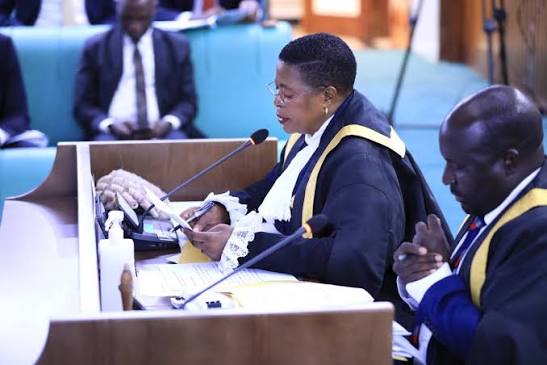
Speaker Rt Hon Anita Among.
The bill broadly defines “foreigners” to include Ugandan citizens living abroad. “Promoting” their interests is vaguely defined to cover activities “related to the implementation of government policy” and receiving money to organize meetings on foreign policy. Violators face up to 20 years in prison, a fine, or both.
Foreign agents accused of influencing “the will and consent” of Ugandans in elections, or receiving money from a foreigner without written government approval, could also face 20 years’ imprisonment.
The bill would impose burdensome registration and undefined reporting requirements for foreign agents. It would allow the Internal Affairs Ministry to inspect an agent’s premises without a court order.
It also prohibits engaging in “unlawful” demonstrations or assembly, an overly broad interference with freedom of assembly that violates Uganda’s international obligations, HRW said.
HRW added that the bill compounds existing laws that restrict civil society. The 2016 Non-Governmental Organisations Act gives government broad powers to suspend or revoke NGO licenses. On 12th January, days before national elections, the government ordered at least 10 NGOs to halt operations indefinitely. In March, their bank accounts were frozen pending investigations. Directors said they were not told why.
Under the International Covenant on Civil and Political Rights and the African Charter on Human and Peoples’ Rights, both ratified by Uganda, restrictions on expression and association must be necessary, proportionate, and the least intrusive means to achieve a legitimate aim. HRW said the bill “blatantly fails this test.”
The bill draws on similar laws in Russia and allied states used to silence civil society. The UN Human Rights Committee and the European Court of Human Rights have declared such laws violate international human rights law, calling them a fig leaf to shield power from scrutiny.
“Civil society groups have a key role in protecting human rights, rule of law, and democratic institutions,” Nyeko said. “Uganda’s parliament members should outright reject this effort to further stifle Ugandans’ rights and focus on promoting and protecting free association and other fundamental rights.”
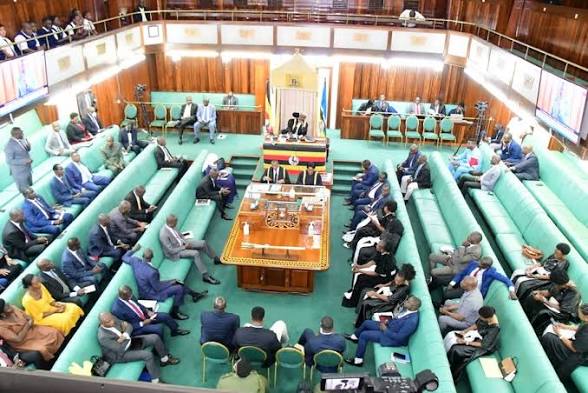
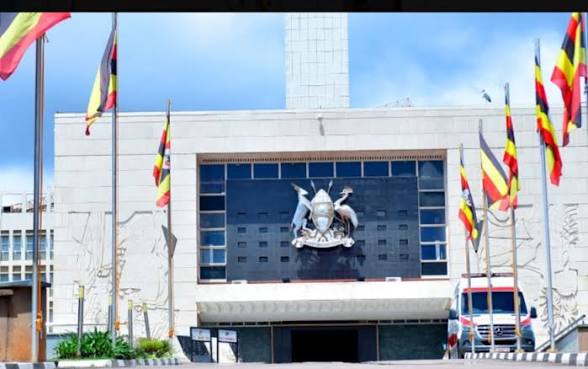
Parliament in Session.
End.