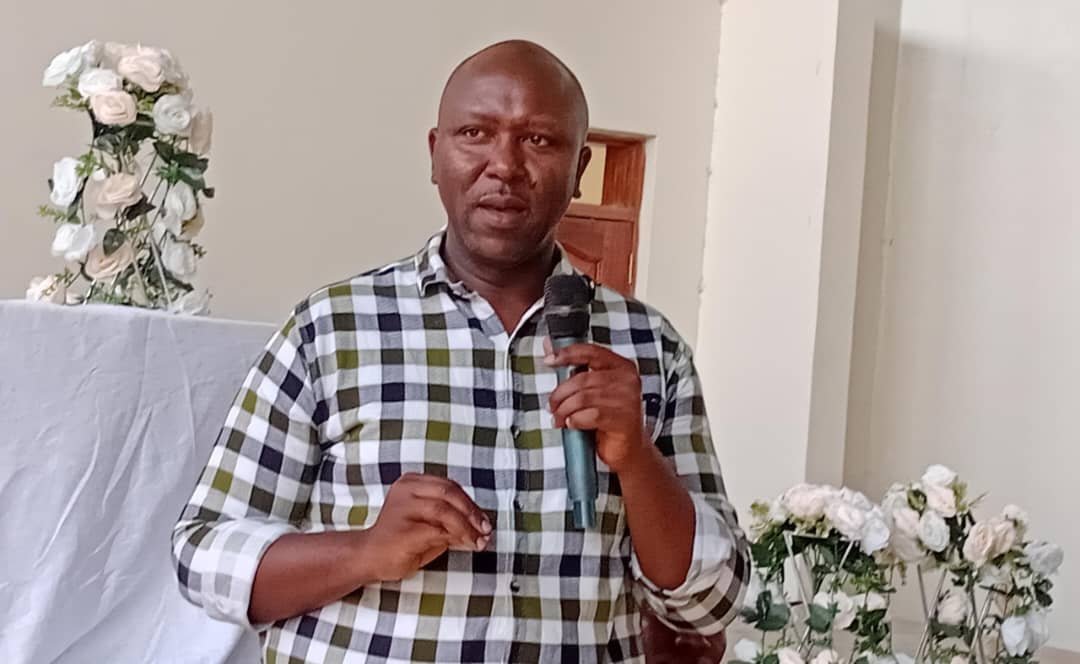


At a post-budget dialogue and the launch of the Uganda Revenue Authority’s (URA) service charter, Finance Minister Hon Henry Musasizi stated that Uganda’s economy is experiencing sustained growth due to strong macroeconomic fundamentals.
The government aims to increase its revenue collection to 20% of the Gross Domestic Product (GDP) in the medium term, up from the current 14%. This will be achieved through measures such as digital transformation, encouraging businesses to formalize, coordinating tax efforts, adjusting tax policies, and improving the experience for taxpayers.
In the financial year 2026/27, the government projects domestic revenue to reach Shs 45.96 trillion, with Shs 40.16 trillion coming from taxes. These funds will support investments aimed at driving Uganda’s transformation agenda while maintaining financial stability.

“For every Ugandan, paying taxes is not just a legal duty, but a contribution to our nation’s future,” the Minister stated. “Every taxpayer who complies is a partner in our national development.”
He highlighted that countries that have successfully transformed their economies have done so by increasing their capacity to fund development from their own resources.
The government is committed to its second Domestic Revenue Mobilisation Strategy, recognizing that long-term development cannot solely depend on loans or foreign aid.
The budget for FY 2026/27 will focus on investing in sectors with the highest potential for transforming Uganda’s economy, referred to as “ATMS” (likely an acronym for specific sectors or initiatives). Minister Musasizi noted these investments are crucial for Uganda’s Tenfold Growth Strategy and its goal of becoming a USD 500 billion economy in the medium to long term.
“The real measure of our success is whether economic growth leads to better lives for our people,” the Minister said. “Growth must create good jobs, increase household incomes, expand business opportunities, reduce poverty, improve public services, and reach all regions of Uganda.”
He also urged the private sector to continue investing in Uganda, creating jobs, adding value, innovating, and formalizing their businesses.
“Together, we have the chance to build a stronger economy, enhance our domestic resource mobilization, and create shared prosperity for all Ugandans,” he added.
URA Commissioner General John R Musinguzi echoed the call for Ugandans to develop their country and reduce economic dependence. He stated that new tax reforms and digital transformation will help raise Uganda’s tax-to-GDP ratio to at least 18-20%.
Musinguzi also mentioned that the new Client Charter sets out specific service standards to help taxpayers resolve disputes without needing to go to court.