OPINION – Today’s arrest of Bushenyi district Engineer Barnabas Mbonimpa, following a public outcry led by Western civil society activists, including Kakonge Lee Apollo, Richard Kyade, and Rwakataka, is a testament to the growing anti-corruption consciousness in Uganda.
For decades, corruption has eroded public trust, siphoned funds meant for development, and entrenched impunity among those in power. However, a new wave of civic awakening is emerging, driven not just by legal frameworks but by moral conviction.
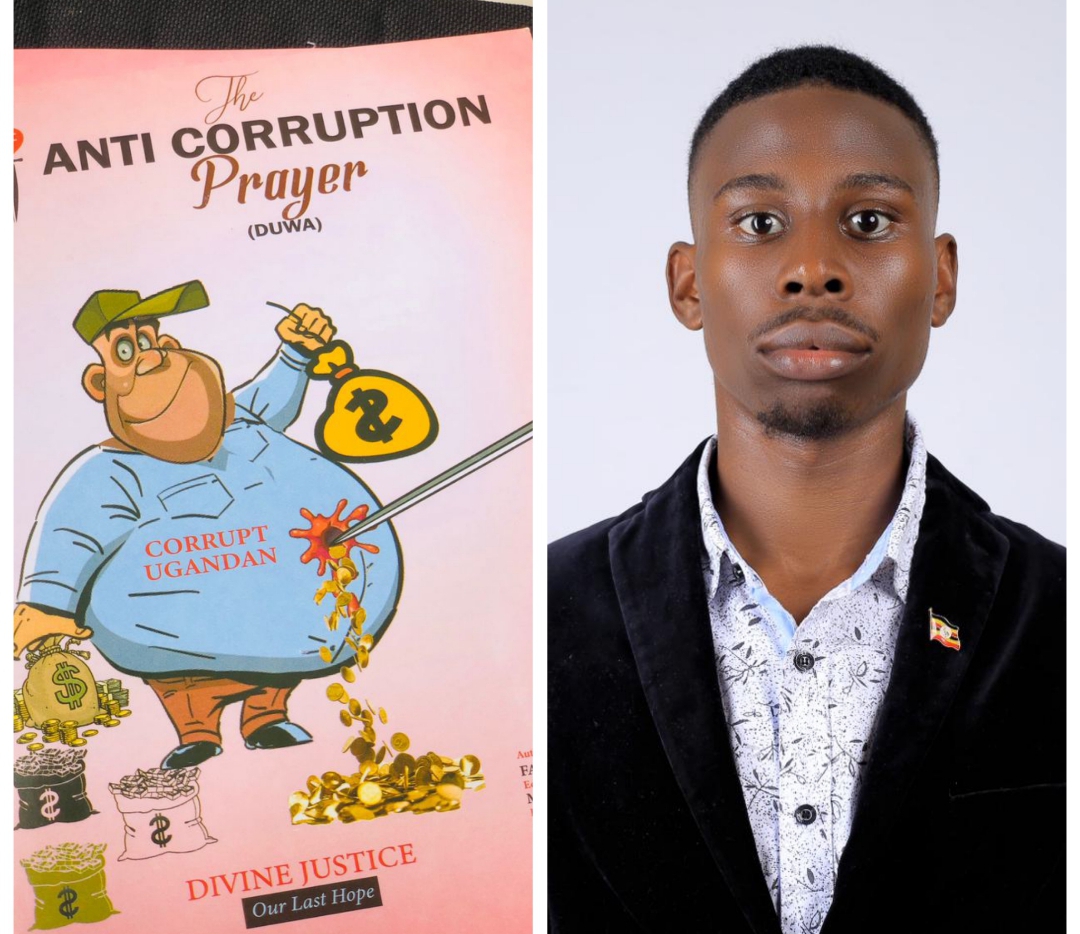
The publication of The Anti-Corruption Prayer (Duwa) by Hon. Fabian Gakyalo, a distinguished lawyer and aspiring MP for Igara East, has invigorated Ugandans with a renewed sense of duty to demand accountability and transparency.

This Duwa is more than a mere supplication;-it is a clarion call for both spiritual and civic activism against corruption. Rooted in the belief that divine justice supersedes human manipulation, this prayer resonates with ordinary Ugandans who have long suffered at the hands of corrupt officials. It challenges the citizenry to rise above fear and lethargy, emboldening them to take action against those who misappropriate public resources. In this case, the arrest of Engineer MBonimpa is, therefore, a direct manifestation of the Duwa’s impact. What was once seen as an insurmountable vice is now being actively confronted by determined citizens who refuse to remain silent. Special thanks to Mr.Kakonge Lee and team.
From a legal standpoint, corruption is a criminal offense under the Anti-Corruption Act (2009) and is punishable by imprisonment, fines, and asset recovery. However, Uganda’s biggest challenge has not been the absence of laws but rather the lack of enforcement and public engagement. The bold actions of civil society groups in Bushenyi indicate that the era of passive lamentation is over. The arrest of Mbonimpa signifies a shift where citizens are no longer content with waiting for the state to act but are taking proactive measures to ensure the law is enforced. Quis custodiet ipsos custodes? (Who will guard the guardians?)—the people themselves must now play this role.
Historically, corruption has thrived due to societal normalization of bribery, nepotism, and embezzlement. However, the Anti-Corruption Prayer has begun reshaping this mindset. Public officials who once felt untouchable must now reckon with an informed and resolute citizenry. Just as religious movements have historically catalyzed revolutions, this prayer is fostering a moral and ideological shift that will no longer tolerate deceit and theft of public funds. The Bushenyi incident is not an isolated event but rather it is a harbinger of a nationwide movement where citizens, armed with faith and legal knowledge, demand justice.
The Duwa serves as a morale booster, urging every Ugandan, from market vendors to university professors, to actively participate in this war. It reminds them that corruption is not merely a political issue but a moral crisis that affects healthcare, education, and economic progress.
As I pin , the arrest of Engineer MBonimpa should serve as a warning to all public officials who believe they can evade justice. The Anti-Corruption Prayer (Duwa) has galvanized citizens into realizing their collective power. No longer will corruption be dismissed as an unfortunate but unavoidable reality—Ugandans are now willing to fight back, both legally and spiritually. As the movement gains momentum, it is imperative for all sectors, including the judiciary, media, and civil society, to unite in eradicating this cancer. Divine justice may be invoked through prayer, but human justice must be enforced through unwavering action.
End.