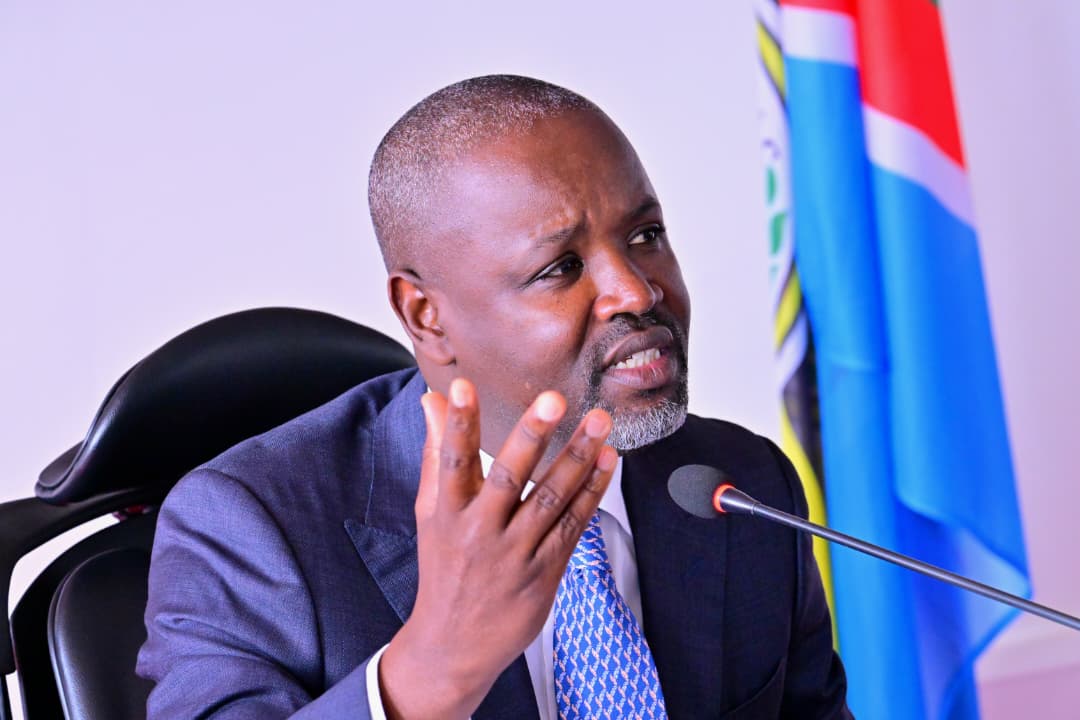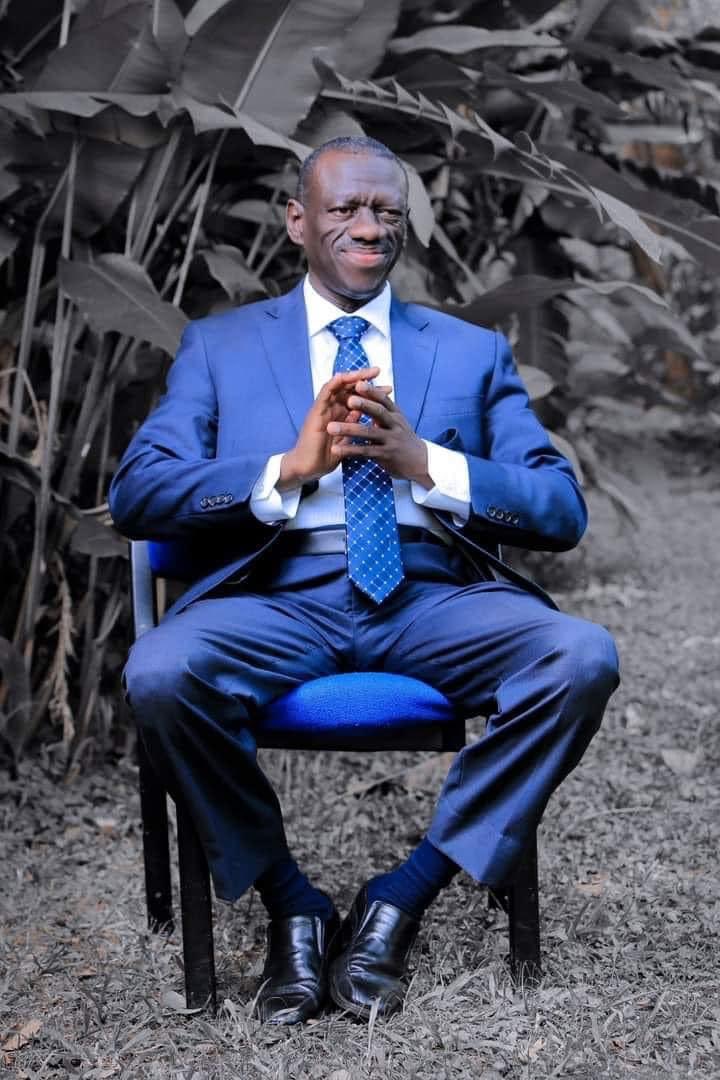
NATIONAL – The former presidential candidate and Opposition strongman Retired Col Dr Warren Kizza Besigye Kifefe has marked 68 years.
Warren Kizza Besigye Kifefe was born on 22 April 1956) and is a Ugandan physician, politician, and former military officer in the Uganda People’s Defence Force.
He served as the president of the Forum for Democratic Change (FDC) political party and was an unsuccessful candidate in Uganda’s 2001, 2006, 2011, and 2016 presidential elections, losing all of them to the incumbent, Yoweri Museveni, who has been president of Uganda since 26 January 1986.

The results of the 2006 elections were contested in court, and the court found massive rigging and disenfranchisement. Besigye allowed an early internal FDC election for a successor president, which took place on 24 November 2012.
In 1999, Besigye wrote a document critical of the government, “An Insider’s View of How the NRM Lost the Broad Base”. The document accused the NRM of becoming a sectarian kleptocracy and a one-man dictatorship. Besigye was charged before a court-martial for “airing his views in the wrong forum”. He brokered a deal in 2000 in which the charges were dropped in exchange for an apology for publishing the document.
In October 2000, Besigye announced that he would run against Museveni in the 2001 elections. He retired from the Uganda People’s Defence Forces in 2001, having attained the rank of colonel. During his campaign, Besigye, who was Museveni’s strongest opponent, accused the government of widespread corruption and pushed for an end to Museveni’s “Movement” system, which he said had served its purpose as an instrument in Uganda’s political transition to multiparty democracy.
He lost the election, which was marred by claims of widespread vote rigging, violence and coercion of voters. In March 2001 Besigye petitioned the Supreme Court to nullify the election results. A panel of five judges voted 5–0 that there had been cheating but decided 3–2 not to annul the elections.
In June 2001, Besigye was briefly arrested and questioned by the police over allegations of treason. The government accused him of being behind a shadowy rebel group, the People’s Redemption Army (PRA), allegedly based in the Democratic Republic of the Congo (DRC). Besigye’s supporters said the government had fabricated the existence of the insurgents to harm his credibility among Ugandans and the international community.
In August 2001, Besigye fled the country, citing persecution by the state. He said he was afraid for his life. He lived in South Africa for four years, during which time he continued to criticise Museveni’s government. Besigye returned to Uganda on 26 October 2005, just in time to register as a voter in the 2006 elections. He was greeted by thousands and hit the campaign trail almost immediately, addressing throngs of supporters across the country. In November 2005, William Lacy Swing, the United Nations special envoy to the Great Lakes region, confirmed the existence of the PRA, naming it as one of the foreign, armed groups operating in the eastern DRC.
Besigye’s campaign came to an abrupt halt on 14 November when he was arrested on charges of treason and rape. The treason charges pertained to his alleged links to the PRA and the 20-year-old northern Ugandan Lord’s Resistance Army rebellion.
The rape charge related to a 1997 accusation by the daughter of a deceased friend. His arrest sparked riots in Kampala and around the country. Museveni was accused of trumping up charges against Besigye in an attempt to discredit him or prevent him from standing in the election. Both the local and international community came down heavily against Museveni’s administration, urging it to release Besigye on bail.
The government reacted by banning all public rallies, demonstrations, assemblies or seminars related to Besigye’s trial. It further barred the media from discussing the trial, threatening media houses with the revocation of their licences should they refuse to heed the ban.
On 25 November, Uganda’s high court granted Besigye bail, but he was immediately sent back to jail on military charges of terrorism and the illegal possession of weapons. Besigye denied the charges and has argued that as a retiree from the armed forces, he should no longer be subject to an army court-martial. He was freed on bail by the high court on 6 January. Although the charges against him stand, Besigye continues to pursue his ambition to become the next president of Uganda.
Happy Birthday!!!!!