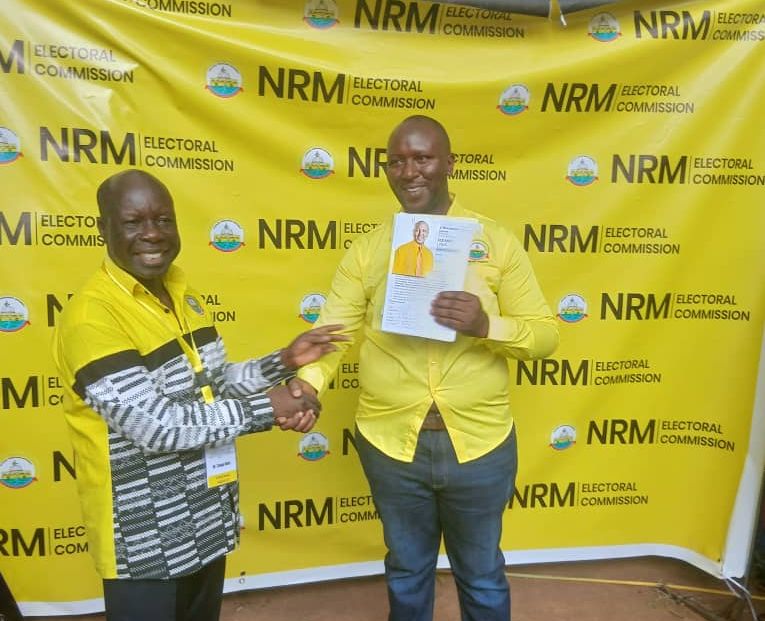
Kyadondo, Udanda – The humid air hung heavy over Kyadondo, Uganda, as Hon. Cadet Benjamin Buturo stepped from his car, the June sun glinting off the crisp white of his shirt.
Today was not just another day; today, he formally entered the race for Bunyaruguru MP. The NRM Secretariat buzzed with activity, the air thick with ambition and the scent of anticipation. For Benjamin, this was the culmination of years of tireless work, a testament to his unwavering dedication to his people.
He wasn’t just any politician. Benjamin, affectionately known as “Ben” to many, had a history deeply woven into the fabric of Bunyaruguru. He wasn’t a parachuted candidate promising empty slogans; he was a son of the soil. Years spent listening to the concerns of his constituents, attending countless village meetings under the shade of acacia trees, had built a trust that ran deeper than any political affiliation. He knew the names of their children, their worries, their hopes. He remembered the faces of those who had lost loved ones, the stories of those struggling to make ends meet.

His political journey had been a steady climb, marked by unwavering commitment. He’d served as a mentor, an advisor, a voice for the voiceless. He understood the intricacies of the national political landscape, yet never forgot the pressing needs of his community. He spoke with a quiet confidence, his words carrying the weight of experience and genuine empathy.
His campaign wasn’t about grand promises; it was about tangible solutions. The dilapidated state of the local healthcare system had spurred him to fundraise for an ambulance, a lifeline for a community often hours away from proper medical attention. He’d established the Bunyaruguru People’s Sacco, empowering local entrepreneurs and fostering economic growth. His bursary program, providing educational opportunities to bright but underprivileged children, was a testament to his belief in the power of education.
His campaign team, a vibrant mix of dedicated volunteers and experienced strategists, mirrored his commitment. They weren’t just distributing leaflets; they were engaging in heartfelt conversations, building bridges, and solidifying the bonds of community. His digital presence, carefully curated, showcased his work, his vision, and his deep connection to the constituency.
His opponents, sensing his momentum, were already resorting to smear campaigns. But Benjamin remained steadfast, focusing on his positive message, refusing to be dragged into the mudslinging. He knew his strength lay not in rhetoric, but in the trust he had earned.
On election day, a palpable energy filled the air. People waited patiently in long lines, their faces reflecting a mixture of hope and determination. When the results were announced, the roar of celebration that erupted was a testament to his unwavering dedication. Benjamin Buturo, the man who had listened, the man who had acted, the man who had never forgotten his roots, had won. He stood on the shoulders of his community, his victory a symbol of hope and a testament to the power of genuine connection. The future of Bunyaruguru, he knew, was in good hands.
End.