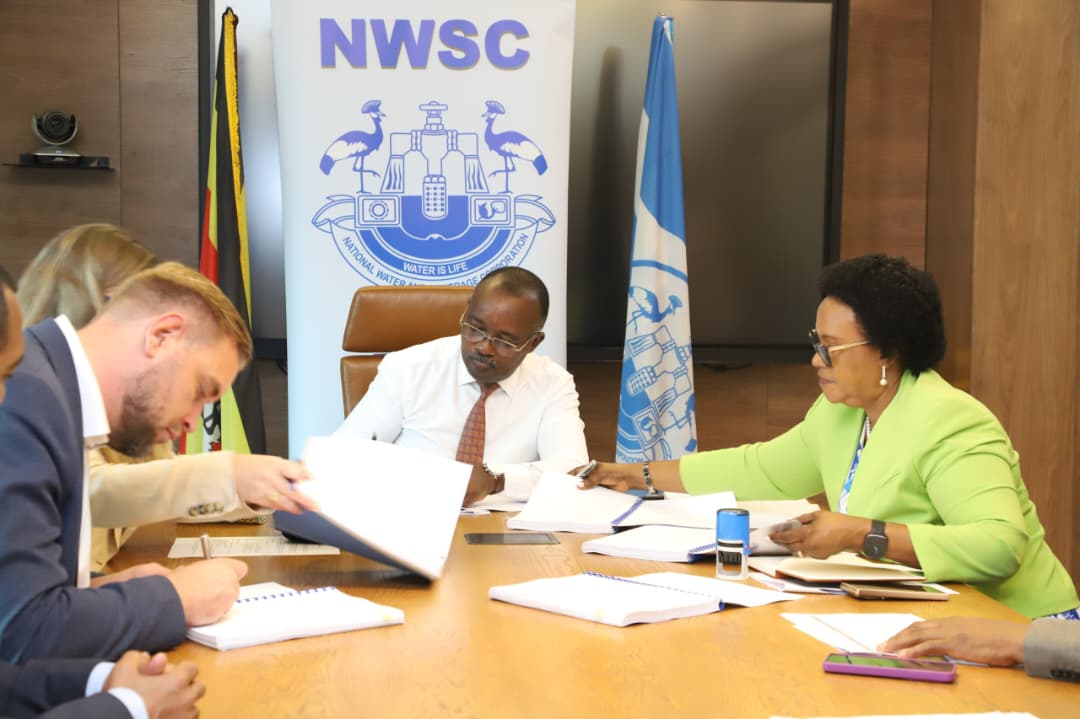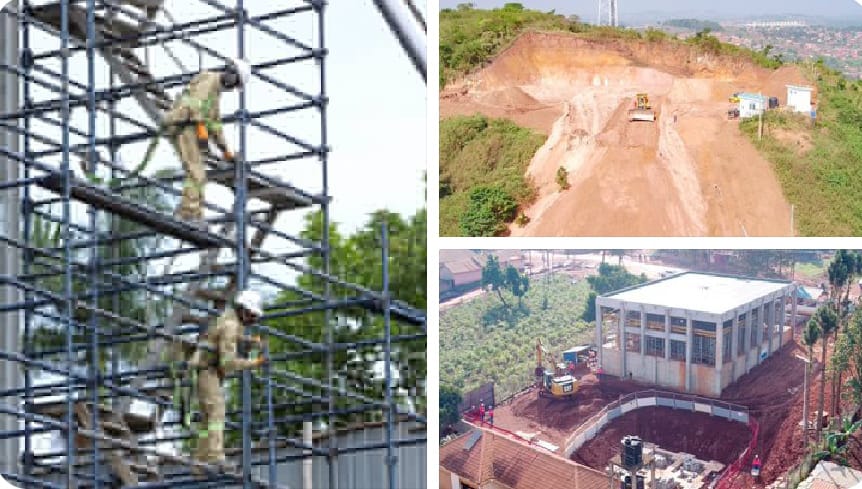
The National Water and Sewerage Corporation (NWSC) is undertaking one of its biggest infrastructure upgrades yet to transform water supply in the Greater Kampala Metropolitan Area (GKMA).
Through the Rehabilitation, Restructuring, Rezoning and Extension of the GKMA Water Supply Network Project, NWSC aims to close the gap between production and demand, and bring safe, reliable water closer to millions of residents.
The project has a contract value of EUR 92.4 million and is primarily funded by the French Development Agency (AFD), with additional support from the European Union, the European Investment Bank (EIB) and KfW.

At the heart of the project is the Katosi Water Treatment Plant, which currently produces up to 160 million litres per day. However, distribution bottlenecks have limited how much of that water reaches homes and businesses. With demand in Kampala, Wakiso, Mukono and Buikwe growing rapidly, NWSC says the upgrades are critical to guarantee supply through 2040.
*Key components of the project include:*
– *71 kilometers of transmission mains* ranging from DN250 to DN1000 to move large volumes across the metropolitan area
– *Three new reservoirs* with a combined capacity of 14.89 million litres at Kanyanya (10 million litres), Kabulengwa (3.89 million litres) and Mutungo (1 million litres)
– *Two booster stations* at Kungu and Kabulengwa to improve pressure in high and far areas
– *Enhancement of the Kampala Water SCADA network* to improve monitoring, reduce leaks and respond faster to breakdowns
The works are being executed by Sogea Satom under the supervision of the ARTELIA–Gauff Association.
According to NWSC, the project will eliminate critical distribution bottlenecks, expand network coverage into underserved areas, and fully unlock the capacity of the Katosi plant.
Officials say once complete, the project will ensure sustainable, safe and reliable water supply for domestic, commercial and industrial users across GKMA, supporting the region’s growth and improving public health outcomes.
The Greater Kampala Metropolitan Area is home to more than 4 million people, and water demand is projected to keep rising with urbanization and new developments.
NWSC adds that the rezoning and restructuring component will also make the network more efficient, reduce non-revenue water, and improve service delivery to customers.