KAMPALA – UGANDA
Members of Parliament have expressed growing concern over the delay in constituting the Parliamentary Commission and sectoral committees of the 12th Parliament, warning that the prolonged process is hampering the legislature’s ability to effectively execute its constitutional responsibilities.
More than a month after legislators were sworn into office between May 13 and 15, 2026, and nearly a month since the election of the Speaker on May 25, Parliament is yet to establish the Parliamentary Commission and appoint members to key committees that are critical for legislative scrutiny, accountability, and oversight.

The Parliamentary Commission serves as the administrative and policy-making organ of Parliament, while committees play a central role in examining government expenditure, scrutinizing legislation, and monitoring the implementation of public programmes.
Several lawmakers from both the ruling party and the opposition have voiced frustration over the delay, arguing that Parliament cannot operate at full capacity without its leadership and committee structures in place.
According to legislators, the absence of committees has slowed oversight activities and delayed the review of government programmes and policy proposals that require parliamentary attention.
Some Members of Parliament have called upon the National Resistance Movement (NRM) Central Executive Committee (CEC) to expedite the process of identifying and approving members who will serve on the Parliamentary Commission. They contend that the continued delay risks creating a perception that Parliament is unable to promptly organize itself to serve the interests of Ugandans.
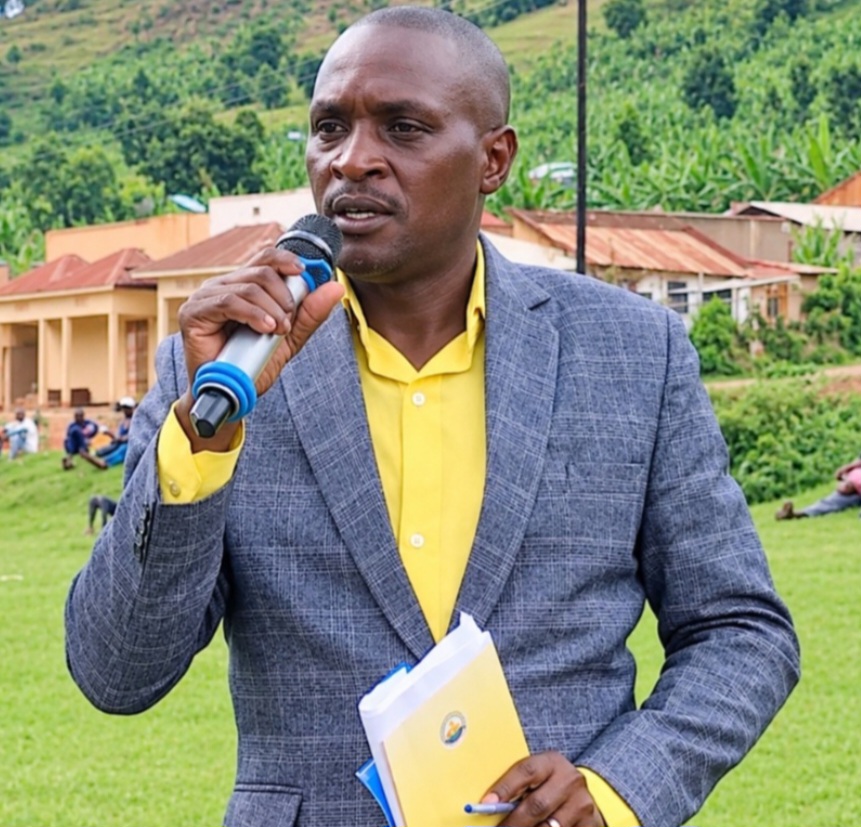
Among those raising concern is MP Tebandeke, who emphasized that appointments to the Parliamentary Commission and committees should be based on competence, experience, and merit rather than political considerations.
He argued that assigning leadership positions to qualified legislators would strengthen Parliament’s effectiveness and enhance public confidence in the institution.
Lawmakers have also renewed calls for fairness and regional inclusivity in the allocation of committee leadership positions. Several MPs stressed that committee chairperson and vice-chairperson roles should reflect Uganda’s regional diversity to ensure balanced representation across the country.
The concerns stem partly from experiences in the 11th Parliament, where some legislators felt that influential committees, including Budget, National Economy, and Natural Resources, were concentrated in one geographical region. Critics argue that a more balanced distribution of leadership positions would promote inclusiveness and national cohesion within Parliament.
However, not all legislators view the delay as a major challenge. Some MPs have urged patience, noting that the process of constituting committees and the Parliamentary Commission requires extensive consultations among political parties and parliamentary leaders to ensure consensus and effective representation.
They maintain that while the process may be taking longer than expected, it is important that appointments are made carefully to guarantee the smooth functioning of Parliament throughout its five-year term.
The debate comes at a time when Parliament is expected to begin handling key legislative and oversight responsibilities, including scrutiny of government policies, review of public expenditure, and consideration of proposed laws.
Political observers note that the speedy establishment of committees and the Parliamentary Commission will be crucial in enabling the 12th Parliament to fully commence its work and meet public expectations.
As consultations continue, attention remains focused on Parliament’s leadership and the ruling NRM’s decision-making organs, whose actions are expected to determine when the House will complete the formation of its key governance structures.
END