OPINION – For some time, the media was a awash with news about the ethnic group data errors within the 2024 census report.
Little did we get to look at the overall further within the report to look into the changes among other categories within the same report whose data was collected for the greater good of planning by the central and local governments.
The various categories include; Households and household characteristics, agriculture, education and literacy, subsistence economy, food security, Information and Communication technologies, to mention but a few. These are substantial areas of great interest whose data was compiled during the census and key markers on the growth of the country and economy as well as comparative purposes of where we have been and where we are going as a nation.

Housing remains “a basic human right, essential for the well-being of all mankind” and as Uganda, the improved numbers on this category have a profound impact on the health, welfare and economic productivity of the local citizens in line with SDG Goal 11 which emphasizes “the importance of ensuring access to safe, affordable and adequate housing”.
Without doubt, the rapidly changing housing status in Uganda has had considerable contribution to the country’s GDP averaging roughly 5-7% as an impact from construction material, labour and spending on housing services such as rents, rental tax, and utilities paid by the users.
(Source: Census 2024 report (C))
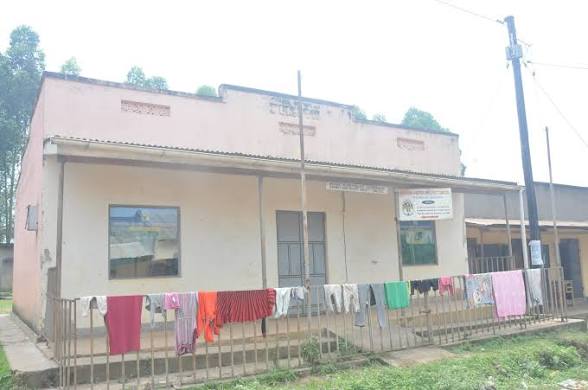
For a period, Ugandans have been living in huts across the country but this is gradually changing to iron-sheets roofed units as all other essential services such as extension of electricity, water and improved road services.
It has not been an easy journey but with the safe and secure environment currently in place, Ugandans are motivated to build a house as a home, a place of comfort and security. It has taken root in all areas of the country including Karamoja with a view that a permanent shelter reinforces the idea that other services will be derived from a place where one lays a foundation, more than a roof over a wananchi’s head, the permanent homes have come to symbolize family, stability and wealth.
Other factors also come with issues of housing and key is the issue of sanitation; because proper sanitation is very crucial to the health of the population. This includes issues such as; sources of water for drinking, types of toilet facilities by the households, and solid waste disposal.
Accordingly, the National Census 2024 has found that 81% of households in Uganda had access to improved water sources for drinking while 19% are still accessing their water from unimproved water sources. However, the report notes that one of the key barriers to access to safe water is the long distances to the sources.
The improved status in housing and housing characteristics calls for an intentional government intervention in one way or another. Most importantly with the current census results, the government has got to help the citizens to access affordable housing through “provision of subsidies, low-interest loans and tax ownerships to encourage more home ownerships.”
With almost 20% of Ugandans relying on unimproved water sources, there is need for more focus to be put on improving access to clean water and proper sanitation across the country as this will inadvertently impact on the health situation in most of the affected areas such as Karamoja where open defecation is still in practice.
With improved home ownership, the reliance on wood fuel for cooking which poses a health risk will reduce as many of the home owners are more likely to adopt clean and renewable energy sources such as solar and biogas.
The government is also currently piloting a project on access to cheap gas as well as electricity access through the Energy Access Scale-up Program (EASP). These two campaigns are poised to achieve positive awareness in terms of health benefits of using clean and affordable energy.
By; Andrew Kiiza, MPM – University of Potsdam.
(The writer is a policy analyst majoring in Public Policy Analysis and Farmer).
End.