ENTEBBE, UGANDA
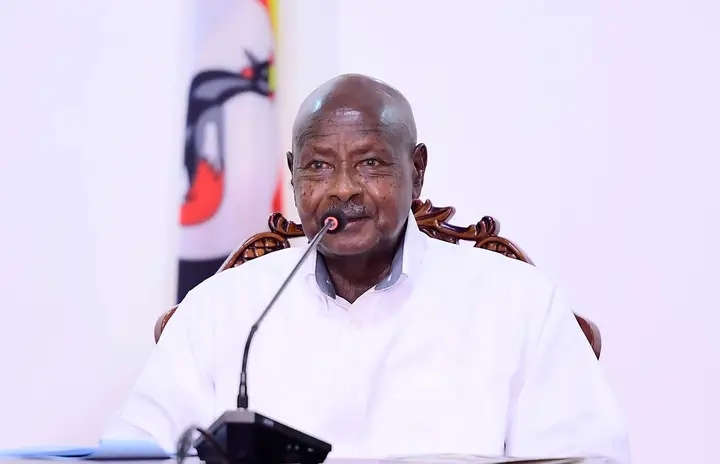
President has defended the recent actions of Uganda’s security agencies, insisting they are aimed at protecting the rule of law rather than reversing the country’s democratic gains. In a national address delivered from Entebbe on Saturday, July 4, 2026, the President said the government is intensifying efforts to eliminate corruption, impunity, crime and environmental destruction while safeguarding national stability.
Museveni said the address followed discussions with the Inter-Religious Council of Uganda, whose leaders raised concerns over justice, human rights, trade order and environmental protection. He acknowledged these concerns but maintained that the government remains committed to protecting peace and ensuring accountability under the law.

Addressing allegations of illegal detentions and disappearances, the President argued that Uganda’s security interventions are intended to close long-standing gaps that have allowed criminals and corrupt individuals to exploit weaknesses within the justice system. He defended the government’s emphasis on what he described as “substantive justice,” drawing comparisons between Uganda’s traditional justice systems and colonial legal practices, which he criticized for sometimes allowing offenders to evade accountability.
Museveni further blamed corruption, abuse of bail procedures and weaknesses within the judiciary, political leadership and bureaucracy for undermining public confidence in law enforcement. He argued that these shortcomings have contributed to incidents of mob justice and delayed the country’s economic progress despite decades of peace and development.
The President also defended recent security operations against some opposition figures and institutions, claiming the actions were necessary to protect witnesses, uphold national security and counter what he described as impunity and violent political behaviour. He rejected claims that Uganda is returning to past authoritarian practices, insisting that all suspects will be subjected to judicial processes.
On the economy, Museveni reiterated the government’s campaign against street hawking, saying the practice undermines legitimate businesses, reduces tax revenue, creates public health risks and contributes to traffic congestion. He directed local governments to identify alternative workplaces for affected vendors while ensuring all businesses operate legally, are licensed and pay taxes.
The President also renewed his government’s commitment to protecting wetlands and forests, warning that environmental degradation threatens Uganda’s long-term water security and agricultural productivity. He vowed that operations to remove encroachers from wetlands and protect natural forests will continue, adding that officials who illegally authorized encroachment will be investigated.
As Uganda prepares for the forthcoming Local Council and Women Council elections, Museveni urged citizens to participate actively and elect leaders committed to fighting corruption. He further called on Ugandans to report corruption in public institutions, including health facilities and the Parish Development Model (PDM), assuring the public that action would be taken against offenders.
The address underscores the government’s intention to strengthen accountability, reinforce security operations, combat corruption, restore environmental protection and maintain public order as the country heads into the local council electoral period.
END