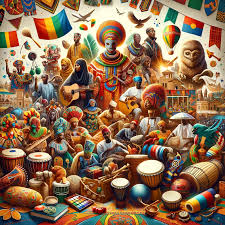
OPINION – The debate between African traditional beliefs and Western religions has been ongoing for centuries. The introduction of Christianity and Islam in Africa brought significant changes to African societies, including new beliefs and practices that conflicted with traditional beliefs. This has resulted in a complex and often contentious relationship between African traditional beliefs and Western religions, particularly Christianity.
In the pre-colonial era, traditional beliefs were the dominant religions in Africa. These beliefs were characterized by a strong connection to the natural world, including ancestor worship and animism. The arrival of Europeans in Africa led to the introduction of Christianity, which quickly spread throughout the continent. Western religions, particularly Christianity, emphasized monotheism and a belief in a supreme being, which was a significant departure from traditional beliefs.
One of the primary conflicts between African traditional beliefs and Western religions is the issue of syncretism. Syncretism is the blending of different religious beliefs and practices. African traditional beliefs are often syncretized with Christianity, with some individuals incorporating both beliefs into their daily lives. However, this has led to tensions between those who believe in traditional beliefs and those who follow Western religions. Some traditional believers feel that syncretism dilutes their beliefs, while some Christians view traditional beliefs as primitive and backward.

Another issue is the impact of Western religions on traditional African culture. Christianity and Islam brought with them new ideas about family structure, gender roles, and social norms. This led to significant changes in African societies, with some traditional practices being abandoned or altered to fit Western religious beliefs. For example, Christianity led to the abolition of polygamy, which was a common practice in many African societies.
Despite these tensions, there have been efforts to reconcile African traditional beliefs and Western religions. Some Christian churches have incorporated traditional practices into their services, while some traditional believers have found ways to incorporate Christian beliefs into their traditional practices. The Catholic Church in particular has been active in promoting interfaith dialogue and recognizing the importance of traditional African beliefs.
The issue of race and the representation of Jesus has also been a contentious topic in the debate between African traditional beliefs and Western religions. The portrayal of Jesus as a white man has been challenged by some African scholars and theologians, who argue that the historical Jesus would have been a person of color. This has led to the rise of the concept of a “Black Jesus,” which has gained popularity among some African Christians.
The Bible itself does not give a clear description of Jesus’ physical appearance. However, there are several scriptures that suggest that Jesus was not a white man. In the Book of Isaiah, for example, it is prophesied that the Messiah will come from the line of Jesse, who was a descendant of King David. Jesse was an Israelite, and therefore, it is likely that Jesus would have had Middle Eastern features. Isaiah 53:2 states, “For he grew up before him like a young plant, and like a root out of the dry ground; he had no form or majesty that we should look at him, and no beauty that we should desire him.”
Additionally, the book of Revelation describes Jesus as having hair like wool and feet like burnished bronze, which suggests that he had a darker complexion. Revelation 1:14–15 says, “The hair on his head was white like wool, as white as snow, and his eyes were like blazing fire. His feet were like bronze glowing in a furnace.”
The debate over the representation of Jesus highlights the need for African Christians to embrace their cultural heritage while also recognizing the importance of Western religious beliefs. Christianity should not be used as a tool for cultural domination but rather as a means of spiritual fulfillment and personal growth.
In conclusion, the relationship between African traditional beliefs and Western religions is complex and multifaceted. While Western religions have had a significant impact on African societies, traditional beliefs continue to play an important role in many African cultures. The challenge going forward is finding a way to reconcile these beliefs and practices, and recognizing the value and importance of both. As the world becomes increasingly interconnected, it is crucial to promote interfaith dialogue and understanding to build a more tolerant and inclusive society.
Follow us always www.theserverug.com