GGABA
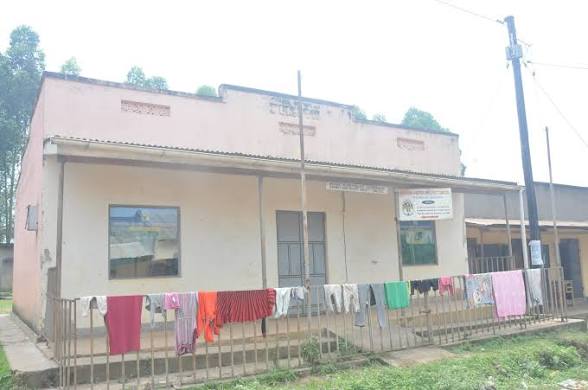
The High Court has continued hearing medical testimony in the case involving the alleged murder of four toddlers at Ggaba Early Childhood Development Centre—where the facts are heavy, and the paperwork, as usual, seems to have taken a different route.
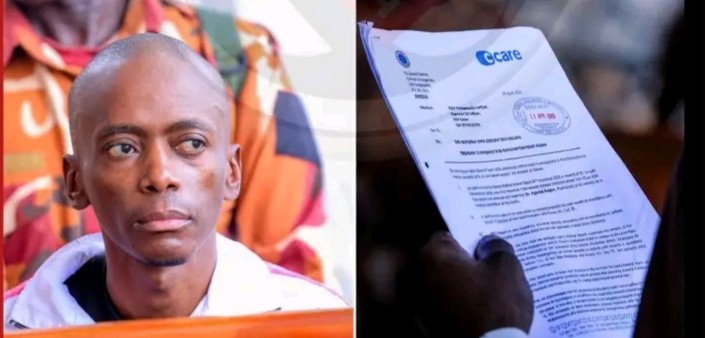
A police surgeon, Dr. Emmanuel Nuwamanya, informed the court that the accused, Christopher Onyum Okello, reported a history of mental illness during an examination conducted on April 7, 2026. The condition, which he claims was treated between 2016 and 2025, allegedly involved both auditory and visual hallucinations. Unfortunately, like many critical things in the system, this history exists more in narration than in documentation—because no medical records could be produced to support it.

The doctor made it clear that without records, confirming recovery or functional discharge is impossible. In legal terms, the illness may or may not have existed—but in administrative terms, it definitely forgot to file itself properly. Despite this uncertainty, the accused was assessed to be mentally stable at the time of examination—proving once again that clarity often arrives just in time for court.
In further testimony, psychiatrist Rogers Agenda from C-Care IHK presented an earlier report conducted during the accused’s application for Ugandan citizenship. That assessment found him mentally sound at the time—suggesting that whatever questions exist now, they were either not present then, or simply didn’t make it into the official narrative.
The court continues to review medical evidence as proceedings go on—carefully navigating a case where memory is selective, records are optional, and the truth, as always, is somewhere between what can be proven and what can be said.